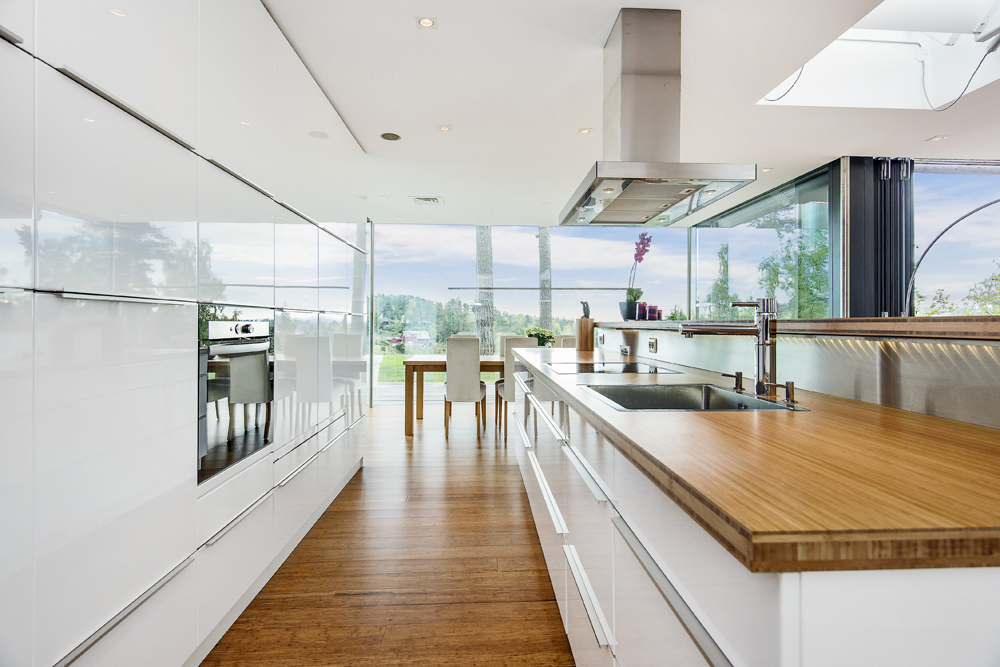
Bamboo Wall Panels: The New Trend in Warm, Natural Interiors
Monday, January 1, 1900 1:00AM -
January 1 1:00AM
By bothbest • [email protected]
Phone Number: 05633032211
By bothbest • [email protected]
Phone Number: 05633032211
Phone Number:
05633032211Location:
USA
TICKETS
Sales are closed for this event.
The event webpage at https://www.bambooindustry.com will have any additional information you might be looking for.

https://www.bambooindustry.com
Bamboo wall panels have gained remarkable attention as homeowners, designers, and builders look for materials that feel warm, grounded, and naturally beautiful. While bamboo has long been used for flooring, furniture, and decorative pieces, its rise as a wall‑cladding material marks a new chapter in interior design. The appeal lies not just in its visual qualities but in the way it enhances comfort, character, and environmental responsibility within a space. What follows is a closer look at why bamboo wall panels are becoming a preferred choice, how they perform, and the unique atmosphere they create.
Bamboo offers a distinctive balance of simplicity and refinement. Its grain patterns, subtle tonal variations, and gentle sheen work especially well in spaces that aim for calmness or understated sophistication. Designers who previously leaned toward hardwood or composite paneling are discovering that bamboo provides a comparable level of durability while delivering a softer, more organic look. This makes it suitable for living rooms, bedrooms, hallways, and even commercial settings that seek a natural aesthetic without feeling rustic or heavy.
Much of bamboo’s appeal comes from its versatility in design. Panels are available in a wide range of finishes, from pale honey tones that brighten smaller rooms to richer caramel shades that add warmth and depth. Some manufacturers offer vertical or horizontal grain orientations, woven patterns, or 3D sculpted surfaces that create shadows and texture. These subtle variations allow the material to adapt to modern, Scandinavian, tropical, and even minimalist interiors with ease. Instead of dominating the room, bamboo supports an overall sense of harmony, letting furniture, textiles, and personal décor blend seamlessly.
Another reason for its growing popularity is the material’s eco‑friendly reputation. Bamboo is a rapidly renewable resource; its growth cycle is significantly shorter than hardwood species, and harvesting it does not require the destruction of root systems. Because it regenerates quickly, it can be managed and harvested with relatively low environmental impact. This makes bamboo appealing to homeowners who want their living spaces to reflect both style and responsible material choices. As more people become aware of sustainable building practices, bamboo stands out as a material that aligns design with ecological mindfulness.
From a practical standpoint, bamboo wall panels deliver more than just beauty. They offer reliable structural performance and impressive durability. Properly manufactured panels resist warping, cracking, and fading. With routine maintenance—such as occasional dusting or wiping with a damp cloth—bamboo maintains its color and finish for long periods. In busy households or hospitality environments, this resilience is especially valuable. Some panels are treated to resist moisture as well, opening possibilities for accent walls in kitchens or bathrooms when installed under appropriate conditions and with correct ventilation.
Acoustic comfort is another benefit worth mentioning. Many bamboo wall panels provide noticeable improvements in sound absorption. This makes them an appealing option for media rooms, offices, and open‑plan living spaces where echoes or noise can diminish comfort. The fibrous structure of bamboo naturally helps soften sound, and panels designed specifically for acoustic performance can further enhance tranquility.
Installation options vary, but many systems are designed for convenience. Interlocking panels, tongue‑and‑groove edges, and lightweight formats reduce the effort required for mounting. Skilled DIY homeowners can handle simple installations, while more intricate layouts or 3D designs often benefit from professional handling. Regardless of the method, the result is a polished surface that feels both elegant and inviting.
One of the most appealing qualities of bamboo wall panels is the atmosphere they help create. Their warm hues and organic textures encourage relaxation and comfort, making them an excellent choice for homes that favor natural elements over ultra‑modern or industrial aesthetics. When paired with soft lighting, they enhance depth and dimension. When paired with greenery, they build a cohesive environment reminiscent of nature without being literal or thematic. Many designers use bamboo to bridge modern lines with traditional craftsmanship, crafting spaces that feel intentional and lived‑in.
Beyond residential projects, bamboo wall panels are appearing more often in cafés, boutique stores, hotel lobbies, and wellness spaces. Businesses appreciate the calming effect bamboo provides, along with the positive impression it leaves on visitors. The material suggests attentiveness, warmth, and a respect for natural beauty—qualities that many brands want to express in their physical environments. Its visual impact is strong without being overwhelming, allowing for detailed merchandising or decorative elements without competing for attention.
Another advantage is how well bamboo works with current trends in interior materials. It pairs beautifully with stone, linen, rattan, clay, and matte metals. This compatibility makes it suitable for updating older spaces without requiring a complete redesign. For example, a single bamboo accent wall can soften a room with hard surfaces or add warmth to an otherwise plain backdrop. Its adaptability keeps it relevant across many styles, making it less likely to feel outdated as trends shift.
Maintenance is also straightforward. Most bamboo wall panels only require gentle cleaning to keep them looking vibrant. Using a soft cloth, mild soap, or simple dusting tools is usually enough. This low‑maintenance aspect appeals to homeowners who want style without the ongoing commitment that some natural materials require. Even as bamboo ages, its patina remains appealing rather than deteriorating.
Cost‑wise, bamboo often falls between luxury hardwoods and synthetic paneling options. This middle ground allows it to be both accessible and premium. Those who value fine craftsmanship can select high‑end, hand‑finished panels, while budget‑conscious renovators can still achieve a stylish look with more affordable options. Because bamboo can be manufactured efficiently, it brings the warmth of natural materials to a broader audience without compromising on quality.
Another point worth noting is the improvement in manufacturing technologies. Modern processing techniques allow bamboo fibers to be formed, bonded, and finished in ways that improve consistency and longevity. These advancements have elevated the reliability of bamboo products, opening the door for more intricate designs and broader applications. Consumers benefit from better color stability, stronger structural integrity, and finer surface polishing, all of which contribute to a premium appearance.
Lighting plays a major role in showcasing bamboo wall panels. Warm white LEDs or soft ambient lighting highlight the natural grain and introduce pleasing shadows across textured surfaces. Architects often use bamboo strategically in spaces where afternoon or evening light creates mood and nuance. Because bamboo reflects light softly rather than sharply, it enhances comfort in living spaces and contributes to a serene environment.
For homeowners renovating their interiors, selecting bamboo can also be a meaningful design statement. It is a material that suggests an appreciation for craftsmanship and the natural world. Many people are leaning toward interiors that feel grounded, balanced, and welcoming—qualities that bamboo naturally embodies. Whether covering a full room or just one feature wall, it supports these goals without requiring loud colors or elaborate finishes.
As interior design moves toward materials that look and feel authentic, bamboo wall panels have secured a place among the most appealing options. They bring texture without clutter, warmth without heaviness, and a refined sense of calm that many modern spaces lack. At a time when many homes are re‑imagining comfort and serenity, bamboo provides a distinctive solution that blends practicality with beauty.
For anyone planning a renovation or considering updates to their interiors, bamboo wall panels offer a compelling blend of natural comfort, design flexibility, and long‑term value. Their rising popularity reflects a shift toward materials that honor simplicity while enriching everyday spaces. Through thoughtful use of color, texture, and craftsmanship, bamboo wall panels can shape interiors that feel personal, inviting, and quietly sophisticated.
Bamboo wall panels have gained remarkable attention as homeowners, designers, and builders look for materials that feel warm, grounded, and naturally beautiful. While bamboo has long been used for flooring, furniture, and decorative pieces, its rise as a wall‑cladding material marks a new chapter in interior design. The appeal lies not just in its visual qualities but in the way it enhances comfort, character, and environmental responsibility within a space. What follows is a closer look at why bamboo wall panels are becoming a preferred choice, how they perform, and the unique atmosphere they create.
Bamboo offers a distinctive balance of simplicity and refinement. Its grain patterns, subtle tonal variations, and gentle sheen work especially well in spaces that aim for calmness or understated sophistication. Designers who previously leaned toward hardwood or composite paneling are discovering that bamboo provides a comparable level of durability while delivering a softer, more organic look. This makes it suitable for living rooms, bedrooms, hallways, and even commercial settings that seek a natural aesthetic without feeling rustic or heavy.
Much of bamboo’s appeal comes from its versatility in design. Panels are available in a wide range of finishes, from pale honey tones that brighten smaller rooms to richer caramel shades that add warmth and depth. Some manufacturers offer vertical or horizontal grain orientations, woven patterns, or 3D sculpted surfaces that create shadows and texture. These subtle variations allow the material to adapt to modern, Scandinavian, tropical, and even minimalist interiors with ease. Instead of dominating the room, bamboo supports an overall sense of harmony, letting furniture, textiles, and personal décor blend seamlessly.
Another reason for its growing popularity is the material’s eco‑friendly reputation. Bamboo is a rapidly renewable resource; its growth cycle is significantly shorter than hardwood species, and harvesting it does not require the destruction of root systems. Because it regenerates quickly, it can be managed and harvested with relatively low environmental impact. This makes bamboo appealing to homeowners who want their living spaces to reflect both style and responsible material choices. As more people become aware of sustainable building practices, bamboo stands out as a material that aligns design with ecological mindfulness.
From a practical standpoint, bamboo wall panels deliver more than just beauty. They offer reliable structural performance and impressive durability. Properly manufactured panels resist warping, cracking, and fading. With routine maintenance—such as occasional dusting or wiping with a damp cloth—bamboo maintains its color and finish for long periods. In busy households or hospitality environments, this resilience is especially valuable. Some panels are treated to resist moisture as well, opening possibilities for accent walls in kitchens or bathrooms when installed under appropriate conditions and with correct ventilation.
Acoustic comfort is another benefit worth mentioning. Many bamboo wall panels provide noticeable improvements in sound absorption. This makes them an appealing option for media rooms, offices, and open‑plan living spaces where echoes or noise can diminish comfort. The fibrous structure of bamboo naturally helps soften sound, and panels designed specifically for acoustic performance can further enhance tranquility.
Installation options vary, but many systems are designed for convenience. Interlocking panels, tongue‑and‑groove edges, and lightweight formats reduce the effort required for mounting. Skilled DIY homeowners can handle simple installations, while more intricate layouts or 3D designs often benefit from professional handling. Regardless of the method, the result is a polished surface that feels both elegant and inviting.
One of the most appealing qualities of bamboo wall panels is the atmosphere they help create. Their warm hues and organic textures encourage relaxation and comfort, making them an excellent choice for homes that favor natural elements over ultra‑modern or industrial aesthetics. When paired with soft lighting, they enhance depth and dimension. When paired with greenery, they build a cohesive environment reminiscent of nature without being literal or thematic. Many designers use bamboo to bridge modern lines with traditional craftsmanship, crafting spaces that feel intentional and lived‑in.
Beyond residential projects, bamboo wall panels are appearing more often in cafés, boutique stores, hotel lobbies, and wellness spaces. Businesses appreciate the calming effect bamboo provides, along with the positive impression it leaves on visitors. The material suggests attentiveness, warmth, and a respect for natural beauty—qualities that many brands want to express in their physical environments. Its visual impact is strong without being overwhelming, allowing for detailed merchandising or decorative elements without competing for attention.
Another advantage is how well bamboo works with current trends in interior materials. It pairs beautifully with stone, linen, rattan, clay, and matte metals. This compatibility makes it suitable for updating older spaces without requiring a complete redesign. For example, a single bamboo accent wall can soften a room with hard surfaces or add warmth to an otherwise plain backdrop. Its adaptability keeps it relevant across many styles, making it less likely to feel outdated as trends shift.
Maintenance is also straightforward. Most bamboo wall panels only require gentle cleaning to keep them looking vibrant. Using a soft cloth, mild soap, or simple dusting tools is usually enough. This low‑maintenance aspect appeals to homeowners who want style without the ongoing commitment that some natural materials require. Even as bamboo ages, its patina remains appealing rather than deteriorating.
Cost‑wise, bamboo often falls between luxury hardwoods and synthetic paneling options. This middle ground allows it to be both accessible and premium. Those who value fine craftsmanship can select high‑end, hand‑finished panels, while budget‑conscious renovators can still achieve a stylish look with more affordable options. Because bamboo can be manufactured efficiently, it brings the warmth of natural materials to a broader audience without compromising on quality.
Another point worth noting is the improvement in manufacturing technologies. Modern processing techniques allow bamboo fibers to be formed, bonded, and finished in ways that improve consistency and longevity. These advancements have elevated the reliability of bamboo products, opening the door for more intricate designs and broader applications. Consumers benefit from better color stability, stronger structural integrity, and finer surface polishing, all of which contribute to a premium appearance.
Lighting plays a major role in showcasing bamboo wall panels. Warm white LEDs or soft ambient lighting highlight the natural grain and introduce pleasing shadows across textured surfaces. Architects often use bamboo strategically in spaces where afternoon or evening light creates mood and nuance. Because bamboo reflects light softly rather than sharply, it enhances comfort in living spaces and contributes to a serene environment.
For homeowners renovating their interiors, selecting bamboo can also be a meaningful design statement. It is a material that suggests an appreciation for craftsmanship and the natural world. Many people are leaning toward interiors that feel grounded, balanced, and welcoming—qualities that bamboo naturally embodies. Whether covering a full room or just one feature wall, it supports these goals without requiring loud colors or elaborate finishes.
As interior design moves toward materials that look and feel authentic, bamboo wall panels have secured a place among the most appealing options. They bring texture without clutter, warmth without heaviness, and a refined sense of calm that many modern spaces lack. At a time when many homes are re‑imagining comfort and serenity, bamboo provides a distinctive solution that blends practicality with beauty.
For anyone planning a renovation or considering updates to their interiors, bamboo wall panels offer a compelling blend of natural comfort, design flexibility, and long‑term value. Their rising popularity reflects a shift toward materials that honor simplicity while enriching everyday spaces. Through thoughtful use of color, texture, and craftsmanship, bamboo wall panels can shape interiors that feel personal, inviting, and quietly sophisticated.